Home Blog Page 69

Labour wins Peterborough seat by narrow margin

7 June 2019 | UK NEWS

Labour Party candidate Lisa Forbes has been sent to the House of Commons as an MP by a narrow margin of 683 votes following yesterday’s by-election in Peterborough. This is a close comparison to 2017’s narrow majority of 607 for Fiona Onasanya, who was recalled from Parliament and her constituency after a jail sentence and speeding fine.

The party saw off a strong performance from the Brexit Party, winning 10,484 (31%) votes to the latter’s 9,801 (29%). Initial reactions praised the Labour Party’s ground operation. Further coverage and analysis has been posted here.

Elsewhere on the political scene, the case brought against Boris Johnson by campaigner Marcus Ball, alleging that he deliberately lied about the £350 million pound figure for the NHS during the Leave campaign in 2016, has been thrown out by a High Court judge. Johnson’s lawyers had argued that the case was “vexatious”, being the outcome of a “politically-driven process”.

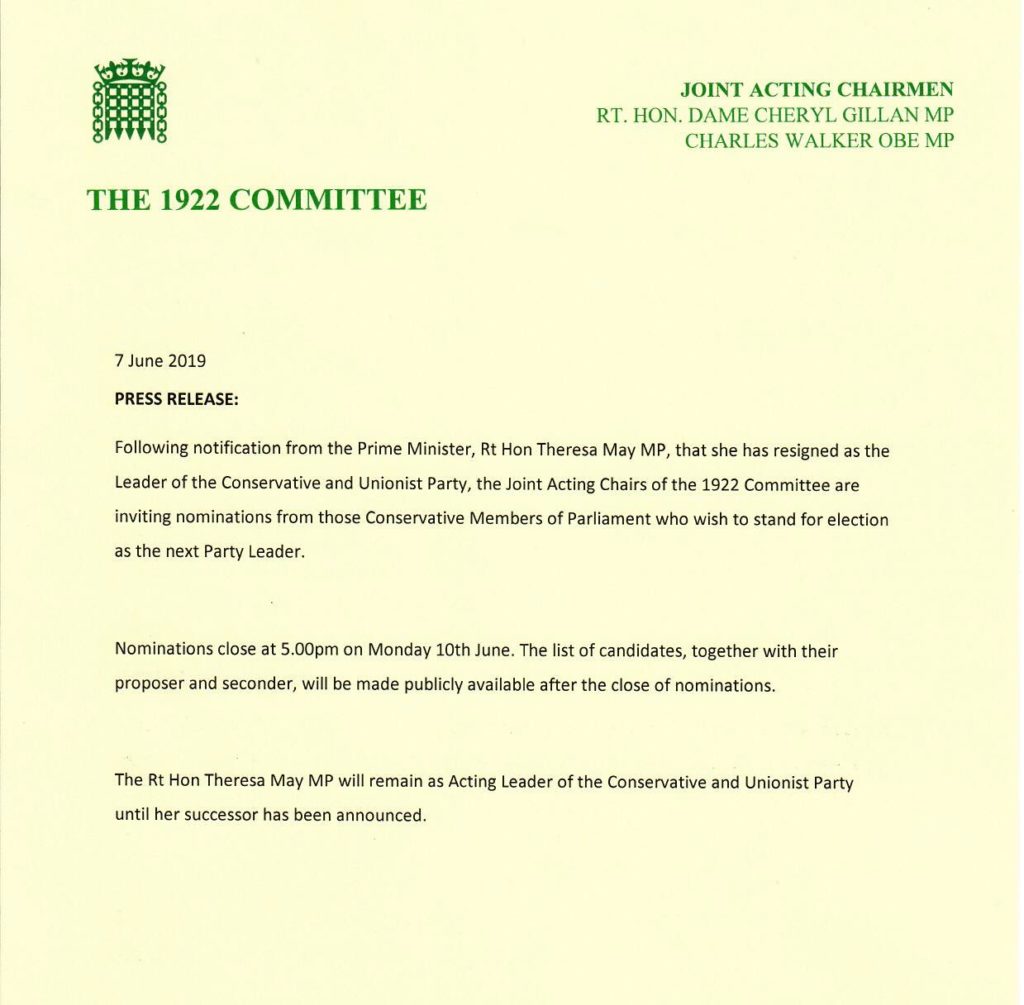
Mr Johnson has now seen off a potential worry for him in the Conservative Party leadership contest, which officially begins next week. It comes as Theresa May formally exchanged letters with the 1922 Committee today, giving effect to her promise two weeks ago to resign as Leader of the Conservative Party today. It is understood that no further pomp and ceremony was afforded to these proceedings. The 1922 Committee issued the following press release around 4pm:

Over in the newspapers, The Express carries a story today on the Republic of Ireland’s Finance Minister’s comments that his country will be the “second biggest losers” after Brexit.

The Independent reports that Jeremy Corbyn may face a fresh challenge to his leadership after MPs from across the Labour Party banded together to warn that the party cannot win power through populism.

Bookmakers favour Brexit Party victory in Peterborough by-election

6 June 2019 | UK NEWS
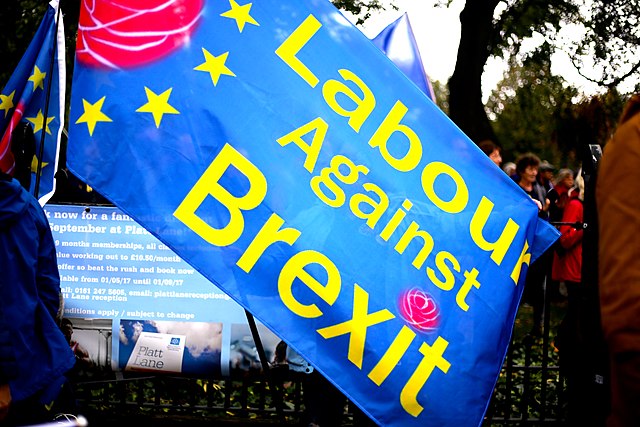
Photo credit: David Rose

At least 10 bookmakers, including Betfair and William Hill, are posting odds equating to an 80%+ chance of the Brexit Party winning today’s by-election in Peterborough. The chance of a Labour victory, according to these same bookmakers, is thought to be somewhere in the 20% range. The Brexit Party itself appears confident, despite speculation amid the Labour ranks that they may just clinch a win.

The pools will close, as ever, at 10pm tonight. The result, due to be announced when the count finishes around 4am on Friday morning, will confirm whether or not the Brexit Party has managed to gain its first MP in the House of Commons since it was formally announced on 20th January of this year. With 61% of the Peterborough electorate having voted Leave in the 2016 EU referendum, and given that its former Labour MP, Fiona Onasanya, was recalled in disgrace after she was discovered to have lied about a speeding offence, tomorrow’s result will be seen by some commentators as a key test of the Brexit Party’s domestic electoral viability.

Full coverage of the vote will be posted on this site tomorrow.

In other political news, Andrea Leadsom, the former Leader of the Commons and one of the candidates in the Tory leadership election, has announced today that she would declare a ‘climate emergency’ in the event that she became Prime Minister. Mrs Leadsom said: “For me, a very big headline policy would be to declare a climate emergency, to say that the UK is going to lead the world in this area in the same way that we lead the world in financial services.”

She added: “This is a massive opportunity to demonstrate that, far from decarbonising being a loss of GDP, loss of jobs and so on and so on, actually the clean growth technology sector is fast-growing, and it can be an opportunity for new jobs, new skills, a way to get young people energised to decarbonise our economy.”

Leadsom then drew on her prior experience working in financial services, saying that, owing to the potential for new skills and jobs arising from the clean growth sector, she believed that tackling climate was “something that could be as big if not bigger than the whole financial services sector” in terms of its potential economic boon for the country. She further expressed a wish that “the UK [could] lead the world in that and actually expand our economy at the same time”.

It comes as the latest leadership backing figures unveiled by Guido Fawkes suggest that Mrs Leadsom is unlikely to secure enough nominations to be included in the official contest, which begins on Monday after Theresa May’s formal resignation as Conservative Party leader (although not yet as Prime Minister) tomorrow.

In the newspapers today, we read in The Telegraph that the Speaker of the House, John Bercow, has appeared to rule out Dominic Raab’s suggestion that he would be willing to prorogue Parliament in order to achieve a No Deal Brexit by the end of October, saying that it was “simply not going to happen”.

Meanwhile, The Mirror carries a story reporting that Kevin Moore, a Brexit Party campaign co-ordinator for the North West region, has been sacked by the party after a Manchester Evening News investigation revealed his past ties to the BNP.

Ministers confirm NHS is not “on the table” after Trump U-turn

5 June 2019 | UK NEWS

Following a pronouncement during a joint press conference with Prime Minister Theresa May yesterday, in which Donald Drump appeared to suggest that the NHS would need to be “on the table” in any future US-UK free trade agreement, the US President stated in a television interview with ITV shortly afterwards that this had not been his intention.

Today, ministers have re-affirmed this at Prime Minister’s Questions, when David Lidington – who faced Rebecca Long-Bailey across the Dispatch Box as both Theresa May and Jeremy Corbyn were celebrating the 75th anniversary of D-Day in Portsmouth – said: “The Prime Minister has been very clear and she spoke for everyone in the Government and on this side of the House – when it comes to trade negotiations, the NHS is not and will not be up for sale. “

In further comments today, Mr Trump, who has now departed the UK to visit the Republic of Ireland, told an impromptu press conference ahead of his meeting with the Taoiseach, Leo Varadkar, that the border between the UK and the RoI will “not be a problem at all” after Brexit. He then appeared to compare the situation to the US border with Mexico, saying there was “a border situation” too across the pond. He also said he would discuss the former matter with the Taoiseach, and re-affirmed America’s commitment to avoiding a hard border on the island of Ireland.

Elsewhere on the UK political scene, Steve Baker, the deputy chairman of the European Research Group of eurosceptic Conservative MPs, has announced his potential candidacy for the Tory leadership election to deliver a “clean, managed” departure from the European Union. The comments were made as he launched a new paper that sets out his plan for delivering this, and he recommended that all of his colleagues back it.

He said, however, that if they did not, then he felt it would be for the ERG to submit its own candidate for the leadership contest, and that he would be willing for that candidate to be him if necessary. Mr Baker further added that he had already secured the required 16 nominations to confirm his candidacy following the 1922 Committee’s rule changes this week, including from former Conservative Party leader and later Work and Pensions Secretary, Iain Duncan Smith.

Mr Baker called on the next Tory leader – whoever they may be – to adopt a hardline stance against opposition to Brexit from pro-Remain voices, even suggesting that he would sack the current Chancellor, Philip Hammond, who had previously indicated that he might support a motion of no confidence in the Government if it attempted to push through a No Deal Brexit.

He further added: “A leader is going to have the courage, determination and resolve to say to some of our colleagues, ‘if you choose to threaten me with bringing down this government, I’m afraid I dare you.'”

In the newspapers today, we read that The Independent carries a story that Nigel Farage will join Brexit Party campaigners on the ground in Peterborough for tomorrow’s by-election, as bookmaker predictions indicate the fledgling party looks set to win the contest.

The Express reports that the European Commission is planning to demand at least £1 billion extra from the UK in 2020, quoting ERG MP Jacob Rees-Mogg as saying this would not be necessary if the UK left the EU without a deal at the end of October this year.

Change UK splits, new candidates in Lib Dem race, two Tories withdraw

4 June 2019 | UK NEWS

Six of Change UK’s MPs have split from the fledgling party, returning to being known as The Independent Group. Change UK will continue with its remaining five MPs. The six who left today were Chuka Umunna, Luciana Berger, Angela Smith, Heidi Allen, Gavin Shuker and Sarah Wollaston. This leaves Anna Soubry now leading the far smaller Change UK party.

Writing in a joint letter announcing their departure, these MPs said that they must now give priority to providing “collegiate leadership to bring people together”. They do not appear to have given any further details on the reason or timing of the split.

Over in the Liberal Democrat camp, Jamie Stone and Wera Hobhouse have now entered the race, nominations for which close on Friday. It is even rumoured in Westminster that Chuka Umunna may jump ship once more this week, join the Liberal Democrats and then enter its leadership contest, in what would certainly be considered a further controversial move. It comes as another rumour is circulating that Vince Cable may be reconsidering his decision to stand down, given the Lib Dems’ comparatively stellar performance in last month’s European Parliament elections.

Turning to the Conservatives, James Cleverly has stunned many of his backers by withdrawing from the race in a 45-second concession video, citing a lack of support numbers as the reason for his decision. In a much more low-key announcement, it has now been confirmed that Kit Malthouse has pulled out of the race as well.

In other major news from Westminster, Donald Trump’s state visit has of course continued, with the US President today praising the “extraordinary” alliance between his country and the UK in a speech made alongside Theresa May, while some fairly low-key protests were held in central London, including the flying of the controversial Trump Blimp. Sources on the ground suggest that turnout for these was rather low, with the protesters having form in leaving behind a considerable amount of rubbish. The Queen also held an audience with Australia’s new Prime Minister, Scott Morrison, at Buckingham Palace today.

The Guardian carries the Labour Party leadership’s view on Mr Trump’s state visit in a story today. Elsewhere, The Independent reports on Nigel Farage’s meeting with the US President this afternoon.

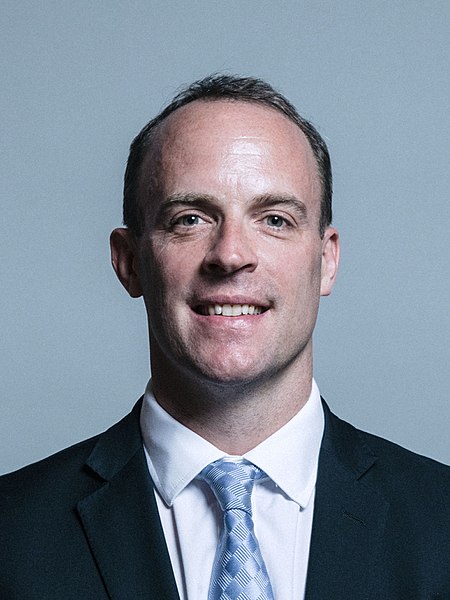
Dominic Raab: A leader to build the meritocracy we need – Patrick Timms

4 June 2019 – OPINION

The backstory behind the 45-year-old son of a Jewish Czech refugee, who now seeks to lead his party and his country, is one that should inspire both big-C and small-C conservatives up and down the land. It is this man and his story who, for me, epitomises everything that good conservatives should stand for.

In his early career, after graduating from Lady Margaret Hall, Oxford, Dominic Raab qualified as a solicitor and worked at Linklaters in London, working on project finance and competition law (the latter theme of competition becoming a strong one throughout his life). Over the course of his pre-Parliamentary career, Raab was sent out to work in Brussels and Israel, gaining experience of the wider world along the way. In 2000, he joined the Foreign Office, with some of his work there including leading a team at the British Embassy in the Netherlands that was tasked with bringing war criminals to justice. From 2006, he had been working in Parliament serving as Chief of Staff to two former Shadow Ministers in the Conservative Party.

For an MP who has been on the green benches for (only just) less than a decade, entering it at the 2010 General Election, the course of Dominic Raab’s subsequent Parliamentary career has been equally stellar. Indeed, he won The Spectator’s Newcomer of the Year award at their 2011 Parliamentary Awards. He quickly came to the attention of fellow MPs, from both within and outside his own party, for the sheer breadth of issues that he would comment on and contribute to, including ‘positive discrimination’ procedures at the FCO, prisoners’ rights, fairer funding for local services, the Israeli-Palestinian conflict, the academy schools system and scrapping the unused identity cards scheme introduced by New Labour.

Raab’s opposition to ‘positive discrimination’ should certainly not be seen as disrespectful to women; rather, his first and foremost policy as a Conservative politician has always been to promote and encourage healthy competition in all its forms, and to oppose anything he sees as constraining it. He has always been in favour of a society that is as free, but also as meritocratic, as possible. It is primarily for this reason that I believe Dominic Raab is now the man to unite the Conservative Party and this country: he is a true believer in meritocracy.

Aside from the proven benefits of meritocracy around the globe, we also see here in the UK that this is when the Tory Party is at its most effective, both among voters and with its policies while in Government: when it is seen as a vehicle for all those who wish to work hard and earn their way to the top – or however far they wish to go – it is then that the party, and the country, does well. He wrote an opinion piece on this score in early 2011 for The Sunday Times that makes for very good reading.

But I began by talking about Raab’s personal story. Perhaps, in light of the achievements listed above, we should not expect much different from a man whose father fled Nazi oppression in his own country and arrived here aged six, with no English, and on paper very little to put his name to. But Peter Raab learned to love his new country, grew up, got into grammar school, worked hard and became a food manager at Marks & Spencer, later marrying Dominic’s mother. The refugee who this country had welcomed subsequently raised his son to always remember how tragedy can befall even the best of people – he knew that almost all the rest of his family had been systematically murdered simply for being Jewish – but also to learn the value of working his way up through society by means of hard work.

Tragically, Peter Raab passed away from cancer when Dominic was only 12. His mother is also said to have taken her own life many years later. Mr Raab, then, is no stranger to sorrow or anguish, but nor will he allow tragedy to overcome him. As morbid as it might appear to even mention these horrible events, I am well aware from some themes in my own life, which have not been too dissimilar, that the old maxim of “what doesn’t kill you makes you stronger” is a very apt one. As a leader, Dominic Raab would bear with him the strength that has evolved from past grief.

Mr Raab has also voiced his firm opposition to the ideologies and policies now governing Corbyn and McDonnell’s Labour Party, including most notably recently. This will be very important for the next Tory leader – a Conservative Prime Minister who is not able to clearly delineate the difference between the Conservatives as a party of meritocratic aspiration, as opposed to the hard-left policies envisaged by the Labour Party at present, would probably not be able to keep Jeremy Corbyn out of No 10 for very long.

Lastly, of course, Mr Raab is a committed Brexiteer whose position on the European Union has always been very clear, ever since he entered Parliament. He is assured of his views, which the next Prime Minister will certainly have to be. While Dominic is among the candidates for this leadership contest who would prefer to get a deal of some sort, he is equally clear that both he, and his country, can live without one. This strikes the right balance for the approach that is needed to take Britain forward now, as it leaves the EU on whatever terms can be agreed, or none at all.

As a footnote: Raab’s popularity locally has always been assured, having secured a very safe majority in his constituency for three elections in a row – an often-overlooked but important consideration for any potential party leader. Back at home in his constituency, the married father-of-two is a fan of action and adrenaline: he is an aficionado of boxing, and holds a black belt in karate. The latter in particular is a sign of grit, determination and never walking away from a challenge – exactly as the next leader of the United Kingdom should be*.

* Candidates without martial arts qualifications can also be equally tough! – Ed.

Donald Trump begins state visit to the UK

3 June 2019 | UK NEWS

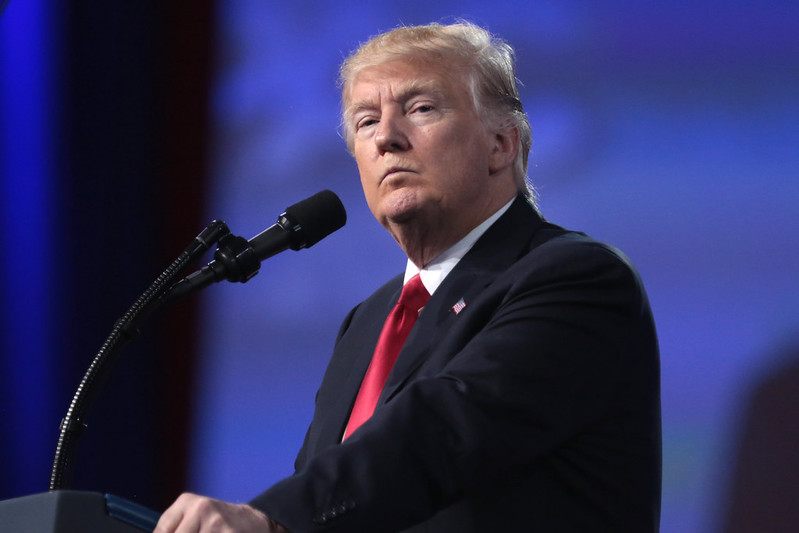
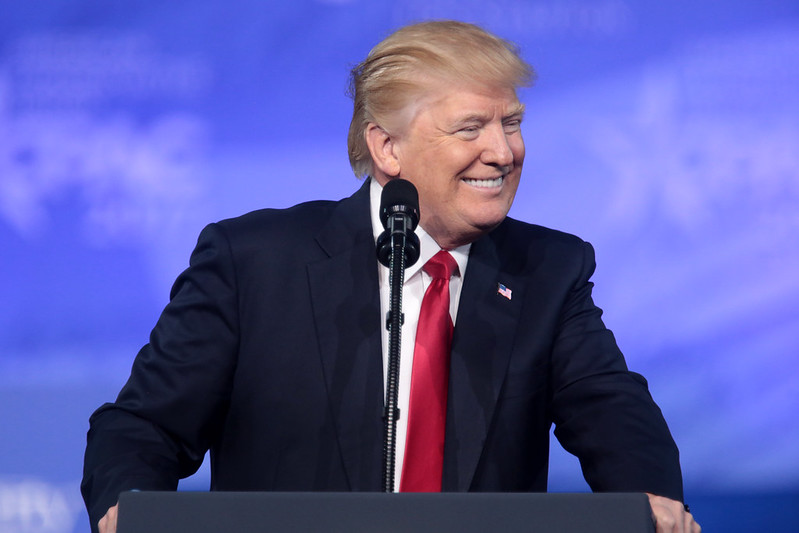
The President of the United States, Donald Trump, has begun his state visit to the UK this morning. Mr Trump is accompanied by the First Lady, Melania Trump.

Arriving at Stansted Airport on Air Force One, Mr Trump then immediately flew by helicopter to Winfield House in Regent’s Park. He was later welcomed to Buckingham Palace at noon, attending a private lunch with the Queen at 1:15pm.

The President spent the afternoon in Westminster, visiting Buckingham Palace and Westminster Abbey, and dining with Prince Charles and the Duchess of Cornwall. This evening, he will attend a state banquet at the Palace from 8:45pm.

While Downing Street has confirmed that Mr Trump will not hold formal one-to-one talks with outgoing Prime Minister Theresa May, it is likely that they will have spoken alone at some stage during the course of the day, perhaps when the Prime Minister offered him a tour of the Churchill War Rooms. No 10 has been keen to point out that this is not unusual for a visiting leader; indeed, the two teams held a bilateral meeting involving their own delegations. Mr Trump will meet the Prime Minister tomorrow morning at St. James’ Palace for a business breakfast.

It comes as the Mayor of London, Sadiq Khan, wrote in The Observer on Saturday that Mr Trump represented “one of the most egregious examples of a growing global threat” who threatened “our hard-won rights and freedoms”, while making reference to what he termed the rise of the “far right” across the world. In response, Mr Trump tweeted this morning that Mr Khan was a “stone cold loser”, adding that he had “done a terrible job” as Mayor of London. Their online fued dates back to 2016.

The President’s visit takes place amid protests in central London, including notably Trafalgar Square, where both the Stop Trump Coalition and Stand Up to Trump campaign groups had indicated they would be present. The Museum of London has expressed a desire to fly the Trump Baby blimp from last year as an exhibit, although it also stated that it wished to fly a similar creation depicting Sadiq Khan in a bikini.

The Mail Online is carrying a story today covering the President’s visit, replete with much photography. Elsewhere in topical political news this week, Guido Fawkes has accused the Labour MP candidate for Thursday’s by-election in Peterborough, Lisa Forbes, of being involved with anti-Zionist hate posts on Facebook.

Lib Dem leadership hopefuls rule out Labour/Tory coalitions

31 May 2019 | UK NEWS

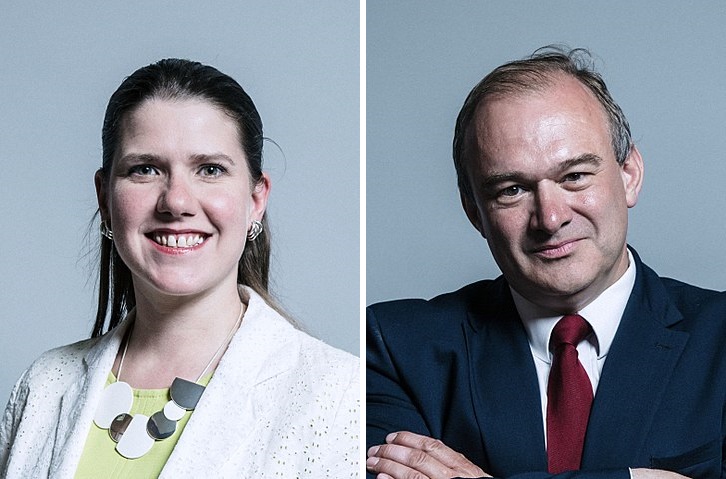
Both entrants in the Liberal Democrat leadership contest, Jo Swinson and Sir Ed Davey, who announced their candidacy yesterday, have ruled out entering into a coalition with either the Labour Party or the Conservative Party.

Both MPs have said they consider Jeremy Corbyn to be “a Brexiteer”, along with Boris Johnson, who they appear to assume will take up the leadership of the Conservative Party this year. Sir Ed added that a condition for the Lib Dems agreeing to work with any other party would have to be a commitment to “stopping Brexit”. He further noted “tackling the climate emergency” as another key requirement for earning the party’s favour.

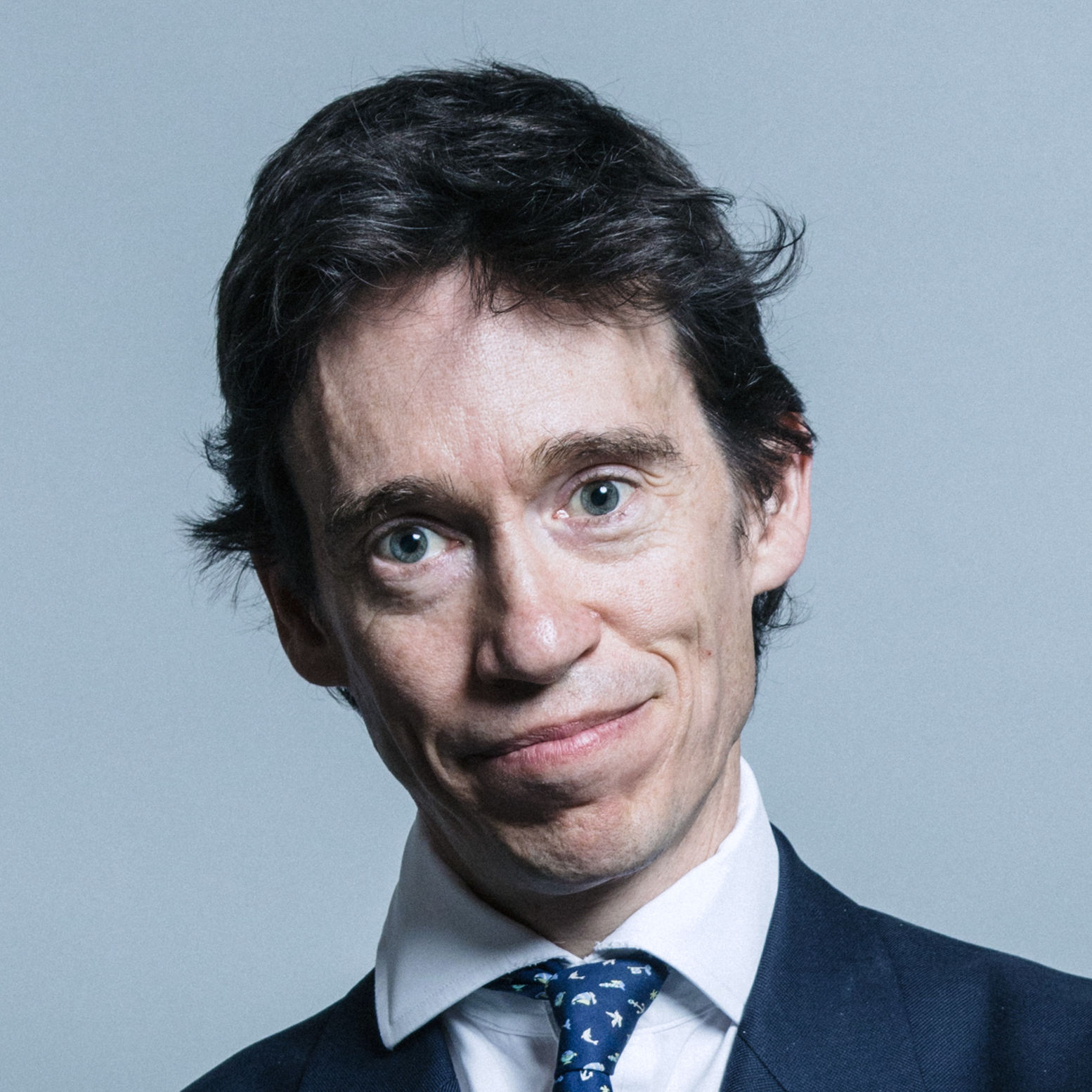
In Conservative Party leadership contest developments, Rory Stewart has vowed to “argue heart and soul” against Scottish independence, saying that both Alex Salmond and Nicola Sturgeon had said the 2014 referendum would be “a once-in-a-generation vote”. Mr Stewart also pointed out that he himself is Scottish, but is representing an English constituency.

On that score, he added: “If the United Kingdom splits, then what am I? What am I representing?”

Mr Stewart has also advocated the route of a Citizens’ Assembly consisting of 99 people to hear evidence and then make a recommendation to Parliament as “the only route through” on Brexit, as an alternative to a second or confirmatory referendum. Speaking of his fellow contestants, Mr Stewart further said: “They’re very distinguished colleagues, but they’re not going to win an election. That’s all it comes down to.”

Elsewhere in today’s political news, The Guardian reports that Mark Harper has become the latest Tory MP to throw his hat into the ring for the party leadership.

The Daily Mail carries a story reporting that Len McCluskey has advised Jeremy Corbyn it would be “electoral suicide” to back a second referendum, saying that copying the Lib Dems’ strategy on Brexit would only “pump poison” into British politics.

Rory Stewart: A Prime Minister for these challenging times – Reece Harris

31 May 2019 | OPINION

Before the angry responses roll in saying that Rory Stewart for PM is the worst idea on this planet since Ed Miliband attempted to eat a bacon sandwich, please hear me out. Rory is a principled man who listens to all sides of the debate and is very rational in his decision-making: qualities we need in this now mad political world.

Rory has also categorically ruled out a second referendum. He said he would lock MPs down before a compromise was worked out and passed through the Commons. Rory wants to get Brexit done, and that’s why I trust him more than the other cabinet members, who aren’t ruling out a second referendum. Rory has also said he is open to include everyone in talks – including Nigel Farage, a big fan with the Brexit side of the Conservative party. He is the candidate to bring everyone together, something May failed to do, by trying to force through her poisonous Withdrawal Agreement over and over. For example, in a Young Conservatives Snapchat group I am involved in, another user (Alex) and I both regularly argue over most things. However, while talking about candidates today, both Alex and I united over Rory. Rory isn’t just the candidate to unite our broken party, he’s the candidate to unite our broken country.

Moving away from the B-word, Rory is serious about climate change. I don’t really understand the frustration of many Tories up in arms on Twitter about his policy of doubling the Foreign Aid budget to deal with climate change. This is possibly one of the most crucial policy points outside of Brexit facing us in the next 100 years. He has also pledged that the first policy of his administration would be to plant 120 million native trees in four months. He wants to buy land and build houses. He wants to make our society cleaner, fairer and more sustaining, and this is surely something that any reasonable person should applaud.

What sets Rory apart from the rest is his negotiation experience. Rory served in Iraq and Afghanistan, and as his own website puts it: “Always simmering under the surface is the desire to talk about his experiences in Afghanistan and Iraq.”

“The thing I’ve learnt negotiating, whether with warring factions in Iraq or with mini-wars in Afghanistan,” he tells us, “is that you have to be nimble. This is not a game of red lines or rigidity, you’ve got to keep trying and be imaginative, and you have to reach out.” He says there are “similarities” with post-war Iraq and post-Brexit voting Britain. “The most fundamental similarity is that there is a completely surreal gap between the way that the Government talks about this and what is actually going on on the ground.” Rory understands what’s happening, as unlike other candidates he has instead been talking to potential financial backers and MPs; he has been out in London talking to people who both agree and disagree with him.

I could vouch for the fact that the 5 days Rory has been out talking to people about Brexit has taught him more than any of the other candidates have learnt over this leadership period. I know it seems strange as Rory does come across as a real Etonian, but he is the grassroots candidate, or at least more grassroots and connected to the voters than the top leadership dogs: the likes of Gove, Boris and Raab.

This also shows in the ConHome survey of 29th May, where he is 5th in the poll, only coming behind heavyweights Boris, Gove, Raab and the as-yet undeclared at the time of writing, Baker. So, before the responses roll in as to why Rory isn’t fit to be PM, maybe stop for a second and think. Because, in the end, we want a principled person who is willing to listen to all sides of the debate to work Brexit out, but is also serious about saving the environment and solving our housing crisis.

Corbyn endorses referendum on Brexit deal, Raab attacks Labour anti-semitism

30 May 2019 | UK NEWS

Jeremy Corbyn has told ITV News that he believes any Brexit deal should be put to the people in a new referendum, although he denies this would be a re-run of the 2016 vote to leave the European Union.

He said: “If Parliament comes to an agreement then it’s reasonable, if Parliament wishes it, there should be a public vote on it, but that is some way off,” adding that an election or a referendum was now the “only way out” for the country.

Mr Corbyn’s comments came in the light of the Conservative Party leadership contest, saying that the prospect of a “no-deal zealot” leading the party was what made this necessary. However, he also stated that he would work with Tory moderates to help prevent a no-deal exit from the EU, saying he would do “whatever is necessary”, although exactly how he might do so remains unclear.

It comes as Conservative leadership contestant Dominic Raab attacked the Labour Party for its “inaction” on tackling anti-Semitism in a video he posted today. In it, he suggests that Labour’s failure to deal with the issue now makes it a “stain on our country”.

Mr Raab spoke about his father’s journey to England at the age of six, mentioning that he did not speak any English when he arrived, but nevertheless as a young man “grasped the opportunities and embraced the tolerance that our great country offers.” He added: “I believe all parties must preserve the free and tolerant democracy that I know from my own family’s experience we are lucky to have in this country.”

Elsewhere, The Telegraph reports today that the Labour Party’s decision to expel Alastair Campbell after he publicly admitted to voting for the Liberal Democrats in last week’s European Parliament elections will now be reviewed, amid reports that Cherie Blair did the same.

The Independent carries a story reporting that Layla Moran MP (Lib Dems) has called for an enquiry into the UK’s handling of the European Parliament elections, after some EU citizens were turned away at polling stations and told they ought to “vote in their own country”.

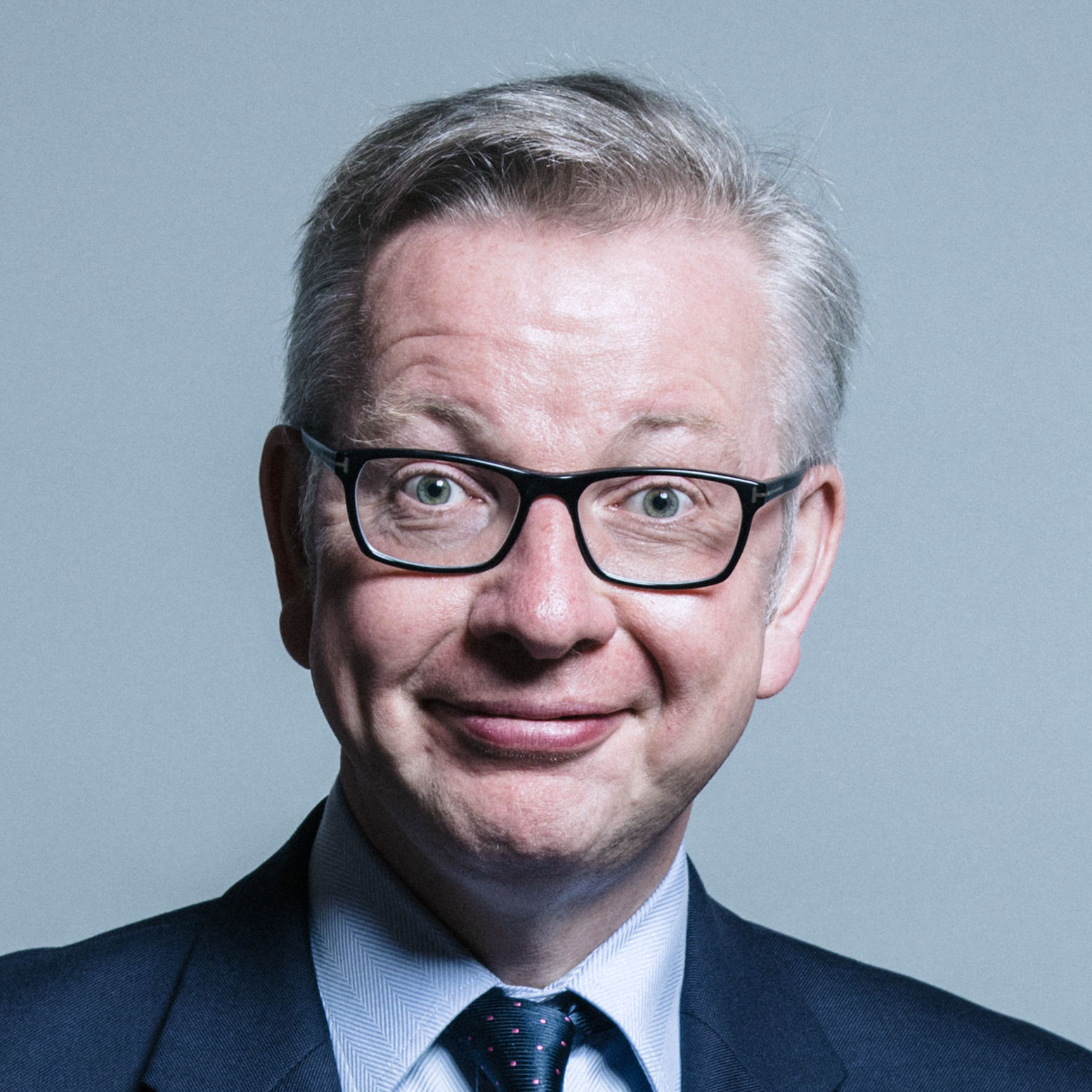
Michael Gove: Pragmatic Conservatism for the 2020s – Chris Bradford

30 May 2019 | OPINION

Despite experiencing the consequences of his contentious high school education reforms during the coalition years, Michael Gove should be the next Conservative leader and the next Prime Minister.

Contrastingly to Theresa May, Gove is an ardent Eurosceptic. He backed Brexit because he believed that Britain could flourish outside the EU, as opposed to the likes of Boris Johnson who used EU withdrawal to advance his political career. Gove is pragmatic; he worked efficiently in DEFRA as Environment Secretary, enhancing his reputation and credibility in office.

Gove was at the heart of the Vote Leave campaign and provided a potent package which secured victory alongside the populist character of Johnson. His articulate essay outlined his motives for backing Leave and that coupled with the populist, devastating slogan of ‘take back control’ forced the Remain campaign to explain the technicalities of EU institutions. By the time they had explained the workings of the single market and customs union, for instance, the electorate had disengaged from the debate.

Given the increasing prospect of a no-deal Brexit, the next Conservative leader and prime minister cannot be someone who simply ‘respects’ the result of the referendum. The Labour frontbench supposedly respected the result and Corbyn looks set to finally commit to a public vote. Theresa May was dutiful until the end but the reality was that she did not wholeheartedly believe in Brexit; in her heart, she believed that she had secured the best deal for Britain, but her ill-fated Withdrawal Agreement symbolised damage limitation, as opposed to maximising the opportunities that Brexit can bring.

Although outlining a modernisation package for the Tories as we enter into the 2020s may be credible, it is not the salient issue of this leadership contest. Resolving Brexit has to be the immediate task for the next Prime Minister; it is political suicide for the Conservative Party to enter into a general election without delivering Brexit. Delivering Brexit does not mean a no-deal Brexit on Halloween, however. There is no majority for this in Parliament, so a pragmatic Brexit solution is required, something that can satisfy moderates on the Leave side of the argument and those who voted Remain in 2016 but are willing to accept the result and move forward.

There is little use articulating a post-Brexit vision when just like Cameron and May, this premiership will be defined by the European question. Dominic Raab’s campaign video appeared to be more appropriate for a presidential primary; Boris is overly reliant on his exuberant personality without providing substance; and whilst Rory Stewart is touring the length and breadth of the country trying to seek consensus, Gove edged ahead of his rivals by advocating that free UK citizenship would be offered to EU citizens living in Britain at the time of the 2016 ballot.

This policy marks a complete contrast to Theresa May’s approach where EU citizens would have to apply for ‘settled status’ and permanent EU residents would have to re-apply. The Prime Minister even had the audacity to charge European citizens £65 to apply for the supposed rights and privileges of residing in the U.K. Gove’s policy is to convey to the public that the Tory party is distancing itself from the ‘nasty party’ image, something which was evident in light of the Windrush scandal and Theresa May’s hostile environment approach towards immigration.

An individual with Cabinet experience is crucial as the UK is in a constitutional crisis. Gove has experience in abundance; since his election in 2005, he has had an illustrious political career, having held the positions of Education Secretary, Chief Whip, Justice Secretary, Lord Chancellor and Environment Secretary.

The May administration was synonymous with the failure to deliver Brexit, but, quietly yet pragmatically, Gove enhanced his credibility as a future Prime Minister through his work as Environment Secretary. He announced that there would be no divergence from high agricultural standards, even at the expense of prospective and attractive trade deals with the US; tougher labelling laws for allergy sufferers, a response to the death of Natasha Ednan-Laperouse; he also took a proactive stance on climate change by pursuing the Clean Air Strategy.

Gove has shone in DEFRA, whilst his rivals for Tory leadership have blundered on a larger platform. Sajid Javid’s competence was heavily scrutinised when he completely misjudged the Shamima Begum case; his attempt to revoke her citizenship was ideologically motivated, despite knowing it would contravene international law. Dominic Grieve deemed Boris Johnson to be not ‘fit for office’ following his comments which compared Muslim women who wear the veil to ‘letterboxes’ and ‘bank robbers’. The former Brexit Secretary, Dominic Raab, was seemingly unaware of the importance of the Dover-Calais trade route and Esther McVey thought an increase in the use of food banks was positive due to their communitarian spirit.

Delivering Brexit will define this subsequent premiership. Gove can resolve Brexit in a pragmatic way. Once Brexit is delivered, he can be at the heart of modernising the Conservative image, building on his work as Environment Secretary, leading the way on providing solutions to global challenges such as climate change.

More from this author

Don't miss...

Wolves of Westminster